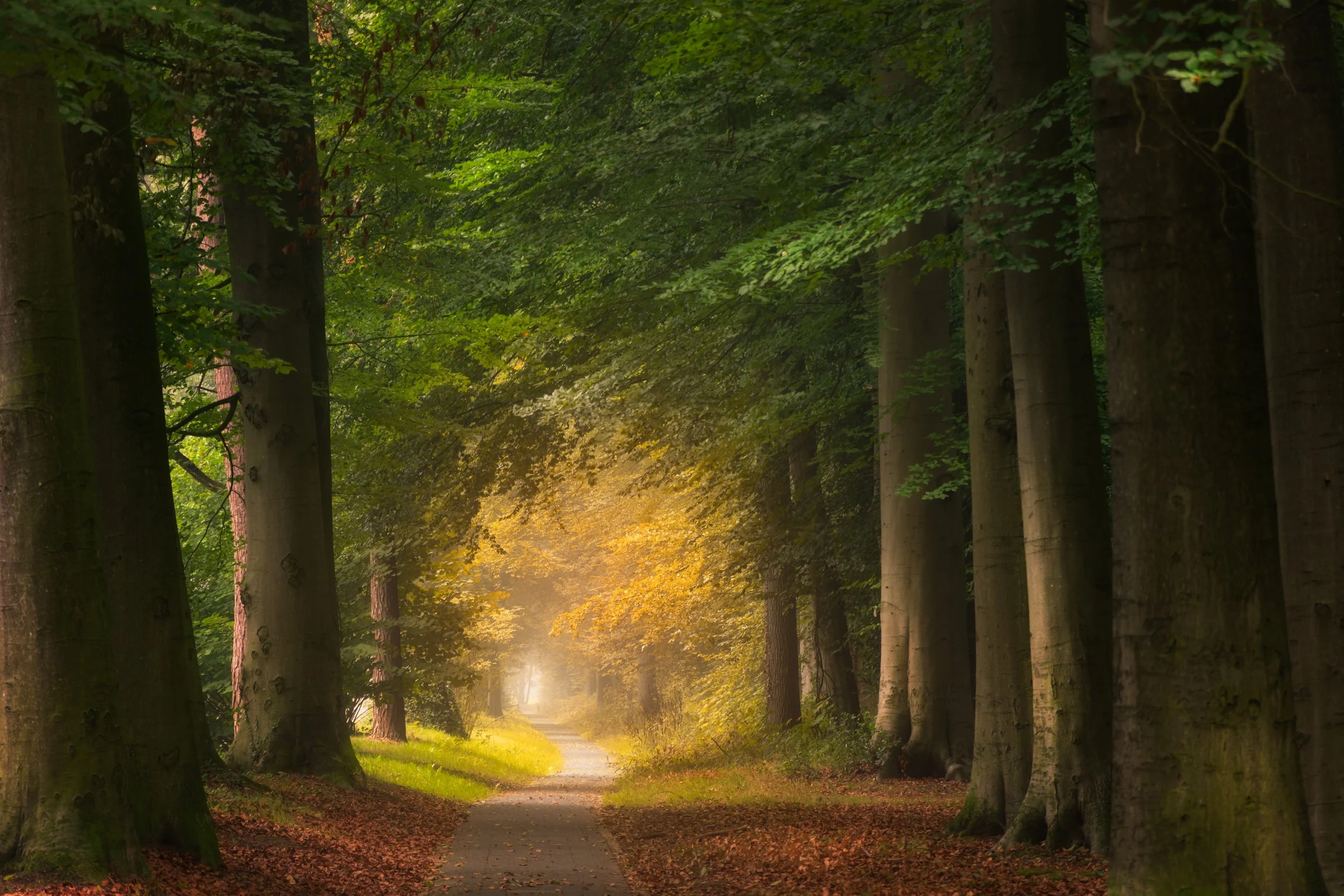
How Nature Can Help Our Mental Health
/Nature can mean green spaces, like parks or forests, and blue spaces, like beaches or rivers. Nature can also include the trees lining an urban street. Feeling connected to nature can produce similar benefits to well-being, regardless of how much time one spends outdoors. Let’s explore how nature can help our mental health.
Research has shown that people with a strong connection with nature are typically happier in life. Nature can generate many happy emotions, like joy, calmness, and creativity. In addition, connecting with nature is associated with lower levels of poor mental health, including lower anxiety and depression. In one research study called “How connecting with nature benefits our mental health” found that 44% of people said being close to nature makes them feel less anxious and worried.
Another research study demonstrates that spending time in nature improves mental health by soothing negative thought loops, reducing stress hormones and restoring attention. More specifically, research shows that spending a few minutes outdoors can low heart rates, lower cortisol, and creating a feeling of awe.
More specifically, other research demonstrates the following mental health benefits.
Stress Reduction
Exposure to nature decreases blood pressure and cortisol. It helps shift the nervous system into the parasympathetic nervous system, known as the rest and digest side.
Mood and Connection
Being in nature and the natural light boosts serotonin and dopamine, known as the “feel good” nuero chemicals.
Attention Restoration
Being in nature provides a gentle and calming environment that allow a tired brain to rest. As a result, it helps improve our focus, cognitive flexibility and concentration.
Reduced Rumination
Walking in green (grass areas) spaces or blue (ocean or lake) spaces helps to quiet negative and obsessive thought loops tied to anxiety and depression.
There is mounting evidence, from multiple researchers, that “nature has benefits for both physical and psychological human well-being,” says Lisa Nisbet, PhD, a psychologist at Trent University in Ontario, Canada, who studies connectedness to nature. Her research demonstrates that “you can boost your mood just by walking in nature, even in urban nature. In addition, the sense of connection you have with the natural world seems to contribute to happiness even when you’re not physically immersed in nature.”
Other research indicates that the quality of our relationship and connection with nature is vital to the mental health benefits of being in nature. A strong connection with nature is like a feeling of emotional attachment to our natural surroundings. Thus, improving people’s relationship with nature comes through the simple yet meaningful engagement with nature.
Research also reveals that any activity that involves the senses will help develop your connection with nature. Also, research shows that being in nature can create feelings of compassion or perceiving beauty. This could be listening closely to a birdsong or engaging your sense of touch by touching the bark of the trees on the street while walking.
Both correlational and experimental research have shown that interacting with nature has cognitive benefits. Dr. Marc Berman and his student Kathryn Schertz explored in a 2019 review. They reported, that “green spaces near schools promote cognitive development in children and green views near children’s homes promote self-control behaviors. Adults assigned to public housing units in neighborhoods with more green space showed better attentional functioning than those assigned to units with less access to natural environments.” In addition, other research has demonstrated that “being exposed to natural environments improves working memory, cognitive flexibility, and attentional control, while exposure to urban environments is linked to attention deficits.”
In a research review, Dr. Gregory Bratman, an assistant professor at the University of Washington, and colleagues shared evidence that contact with nature is associated with “increases in happiness, subjective well-being, positive affect, positive social interactions, and a sense of meaning and purpose in life, as well as decreases in mental distress.”
Given the various benefits linked to nature, people naturally wonder, how much time in nature is enough? White and colleagues tried to answer that question by studying a representative sample of nearly 20,000 adults across the United Kingdom. They found “people who had spent at least two recreational hours in nature during the previous week reported significantly greater health and well-being. That pattern held true across subgroups including older adults and people with chronic health problems. The effects were the same whether they got their dose of nature in a single 120-minute session or spread out over the course of the week.”
Now that you have a better understanding of the power of spending time in nature, may you make a daily effort to spend time outside. Remember, spending time in nature is linked to improvements in mood, emotional well-being and mental health. Also, feeling connected to nature can produce similar benefits to well being, regardless of how much time you spend outdoors.
If you need extra support managing your mental health, please contact me to schedule a free 15-minute phone consultation.